When to get your first prosthetic leg
The weeks between the operation and the first fitting decide how well the leg will work. Healing the wound, shrinking the stump, keeping the joints straight and getting strong all start in the first days, long before casting.
- Free first assessment
- Test socket before the final leg
- Call or WhatsApp 24/7
A typical timeline
Every person heals differently. Diabetes, smoking, infection and other injuries can all make it slower.
| When | What happens | Your job |
|---|---|---|
| Days 1 to 14 | Wound care in hospital or at home, stitches out | Keep the knee and hip straight, move the other leg and arms |
| Weeks 2 to 6 | Swelling settles, the wound closes | Shrinker or bandaging when your doctor allows, daily exercises |
| Weeks 6 to 12 | Assessment and casting once healed | Keep shaping and strengthening, plan time for visits |
| After casting | Test socket, fitting and walking training | Practise every day, check your skin every evening |
| First year | The stump shrinks and changes | Add socks as needed, come for check-ups and a new socket when needed |
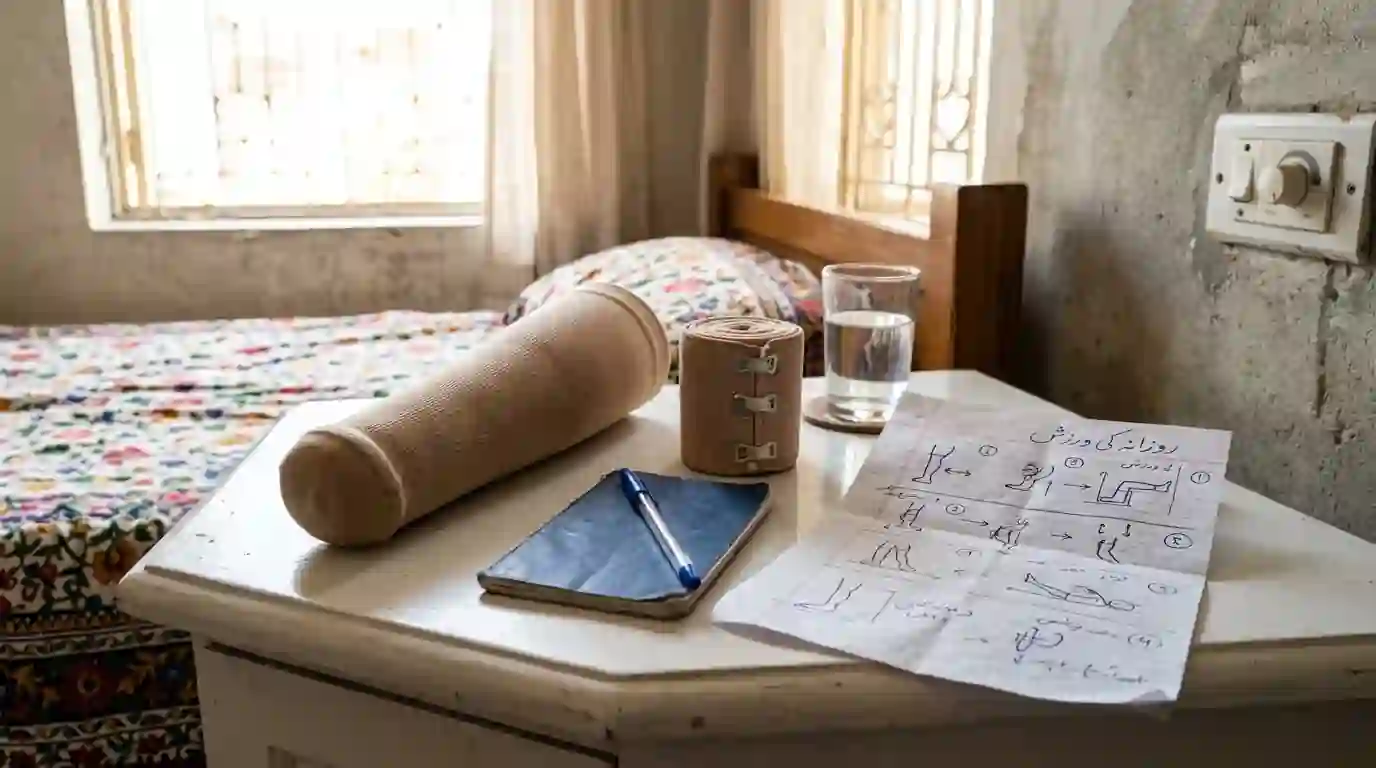
Shaping the stump
After surgery the stump is swollen. A socket made on a swollen stump becomes loose within weeks. To bring the swelling down and give the stump an even, tapered shape, your doctor or nurse may recommend bandaging in a figure-of-eight pattern or an elastic shrinker sock.
Wear the shrinker as advised, usually day and night except when washing, and take it off if it causes pain, numbness or a mark that does not fade. Wash it daily and keep a spare. Massage around the scar, once it has healed, keeps the skin supple and reduces sensitivity.
Exercises to start early
- 1
Lie on your front
Twenty to thirty minutes, two or three times a day, to keep the hip straight. Start with less if it is uncomfortable.
- 2
Straighten the knee
Below knee: press the back of the knee down onto the bed and hold for ten seconds, ten times.
- 3
Bridge
Lying on your back, squeeze the buttocks and lift the hips. This builds the muscle you will walk with.
- 4
Side leg lifts
Lying on your side, lift the stump up and down slowly. Strong hip muscles stop the side-to-side lean.
- 5
Arms and the other leg
Push-ups from a chair and gentle exercise for the other leg, so you can stand and transfer safely.
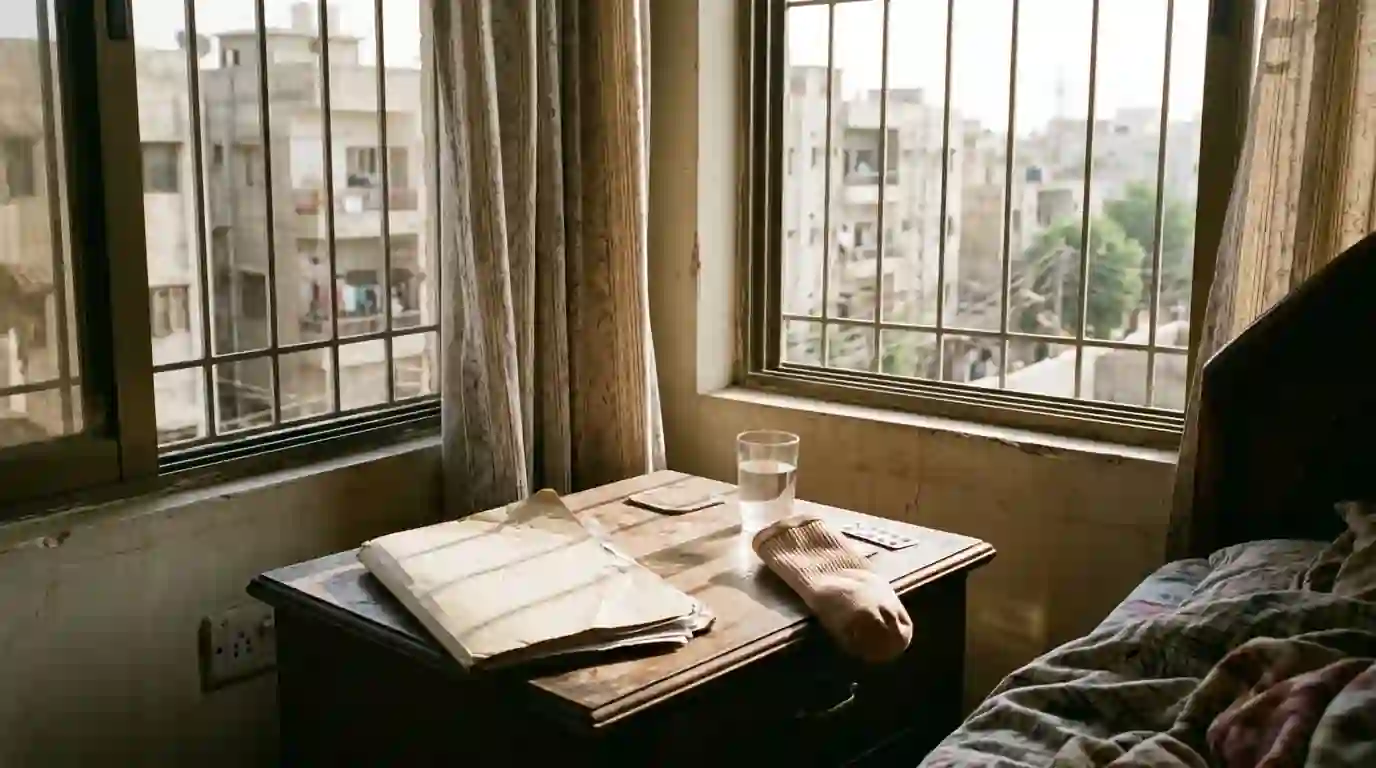
Planning ahead
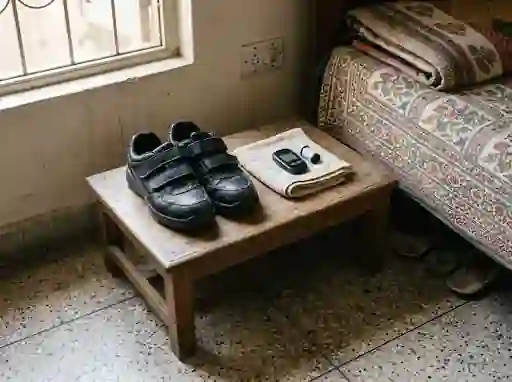
If the amputation was for diabetes
Healing takes longer, and protecting the other foot comes first.
Read the diabetic guide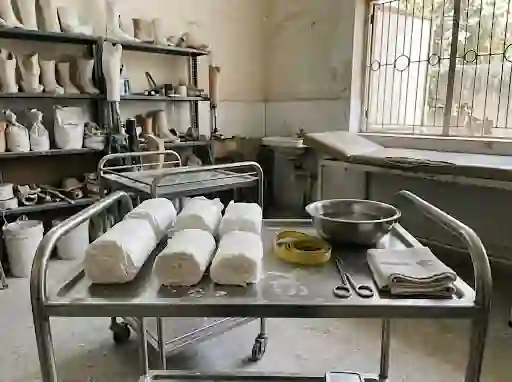
What happens at the clinic
Casting, the clear test socket and fitting, visit by visit.
See each step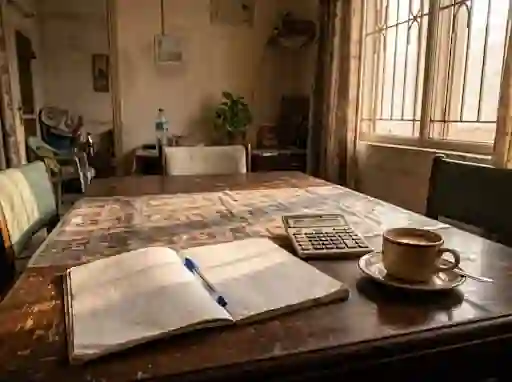
Budgeting for the leg
What each level costs, and what to expect over the first few years.
Read the price guide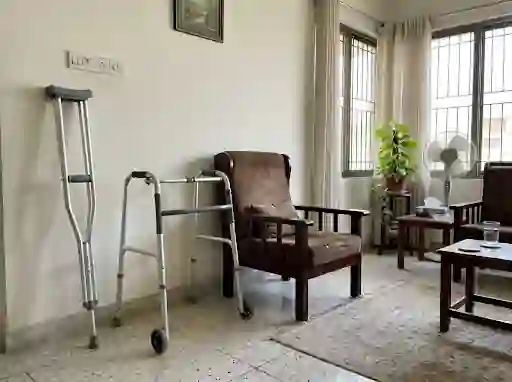
Getting ready to walk
What the first training sessions look like, and how to prepare.
Walking training
Signs you are ready for a cast
- The wound is closedNo scabs, no weeping, no open areas along the scar.
- The swelling has settledThe stump is about the same size morning and evening.
- Touch is bearableYou can press firmly on the stump without sharp pain.
- The joints straightenThe knee and hip straighten fully, or nearly so.
Questions about the first weeks
How do I know my stump is ready for a prosthetic leg?
The wound is fully closed with no scabs or weeping, the swelling has gone down, the stump is not painful to touch, and you can straighten the knee or hip. We check all of this at a free assessment.
What is a stump shrinker?
An elastic sock that presses gently on the stump to reduce swelling and shape it for the socket. Your doctor or nurse will tell you when it is safe to start wearing one, usually once the stitches are out.
Is phantom pain normal?
Yes, many people feel the missing leg, and some feel pain in it. It often eases with time, with massage, with a shrinker and once you start walking on a leg. Severe phantom pain should be discussed with your doctor, as medicines can help.
Why does my knee need to stay straight?
If the knee or hip stays bent for weeks, the muscles shorten and the joint stiffens. A bent knee makes a below-knee leg hard to fit and tiring to walk on. Lying flat, not resting a pillow under the knee, and daily stretches prevent it.
Can I come for an assessment before the wound heals?
Yes. We can look at the stump, advise on shaping and exercises, and give you a plan and a likely price. We simply will not cast until the wound has healed.
Read next
Not sure this is the right leg for you?
Send a photo of the stump and a line about your health on WhatsApp. We will tell you honestly what fits, and what it is likely to cost, before you travel or pay anything.