Prosthetic knee joints, compared honestly
The knee joint is the most expensive part of an above-knee leg, and the most common place people overspend. The right knee is the safest one for how you walk now, with room to move up later, not the most advanced one on the shelf.
- Free first assessment
- Test socket before the final leg
- Call or WhatsApp 24/7
What a prosthetic knee has to do
Every step asks two opposite things of a knee. When your heel touches the ground and your weight comes onto the leg, the knee must stay straight and not buckle. When you swing the leg forward, it must bend and then straighten again in time for the next step. Your own knee does this with muscles. A prosthetic knee does it with its shape, a lock, friction, air or oil, and in the most advanced knees a small computer.
The safer a knee is, the less freely it usually moves. The freer it moves, the more control it asks of your hip. That trade-off is why the best knee depends on your strength and balance, not only on your budget.
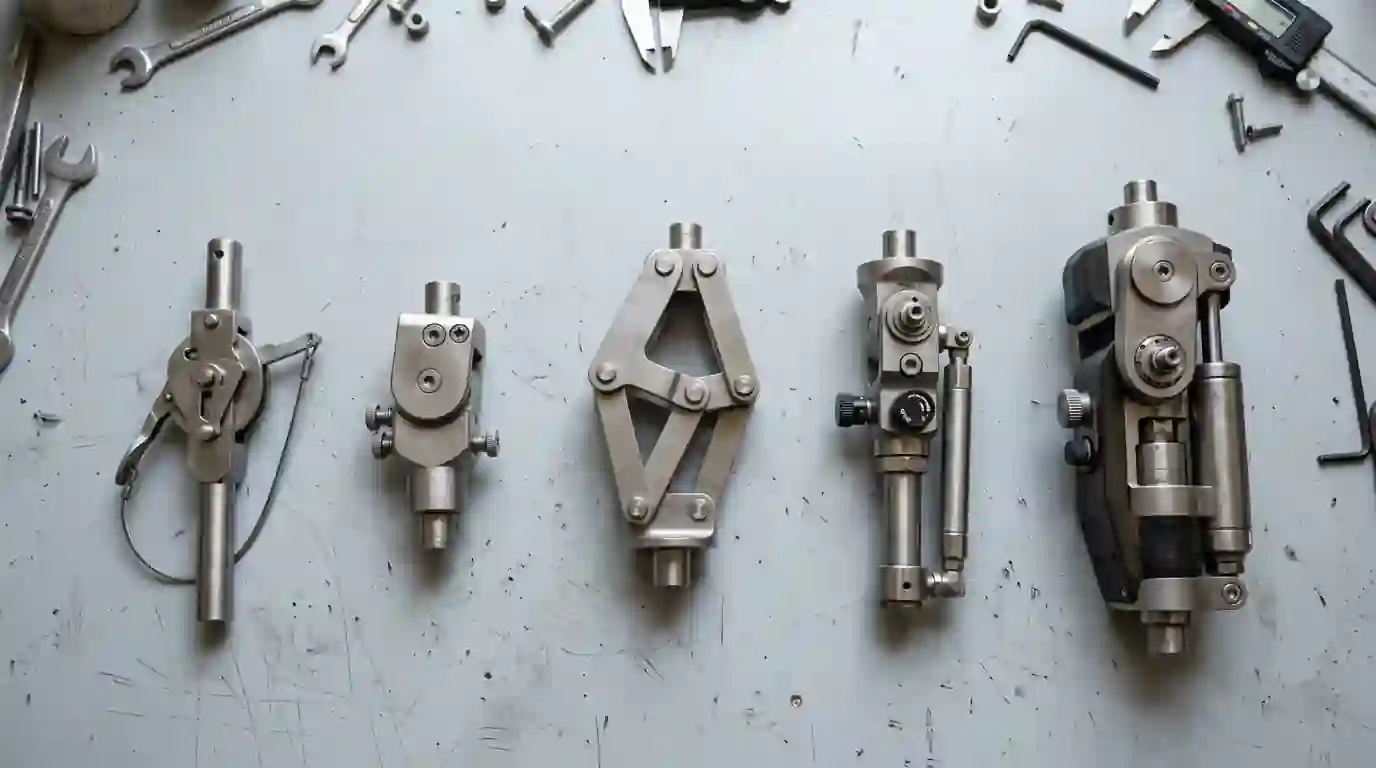
The main kinds of knee
| Knee | How it works | Suits | Effect on price |
|---|---|---|---|
| Manual locking | Stays straight while walking, unlocks with a lever to sit | Older or unsteady walkers, first legs | Lowest |
| Single-axis friction | Simple hinge with adjustable friction | Steady walkers at one speed | Low |
| Polycentric | Several pivots, very stable at heel strike, folds neatly to sit | Most people, and long through-knee limbs | Low to medium |
| Pneumatic | Air cylinder controls the swing at different speeds | Daily walkers who vary their pace | Medium |
| Hydraulic | Oil cylinder controls swing and resists buckling | Active users, long distances, slopes | High |
| Microprocessor | Sensors and a computer adjust every step, catch stumbles | Very active users, high fall risk with good support | Highest, quoted separately |
Knee prices are part of the complete-leg ranges in the price guide.
Closer look at the common choices
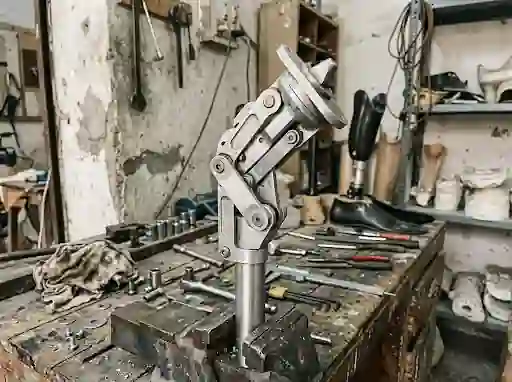
Polycentric knees
Our most common choice in Pakistan: stable when you step, and the leg folds neatly when you sit in a car or on a chair.
Above-knee legs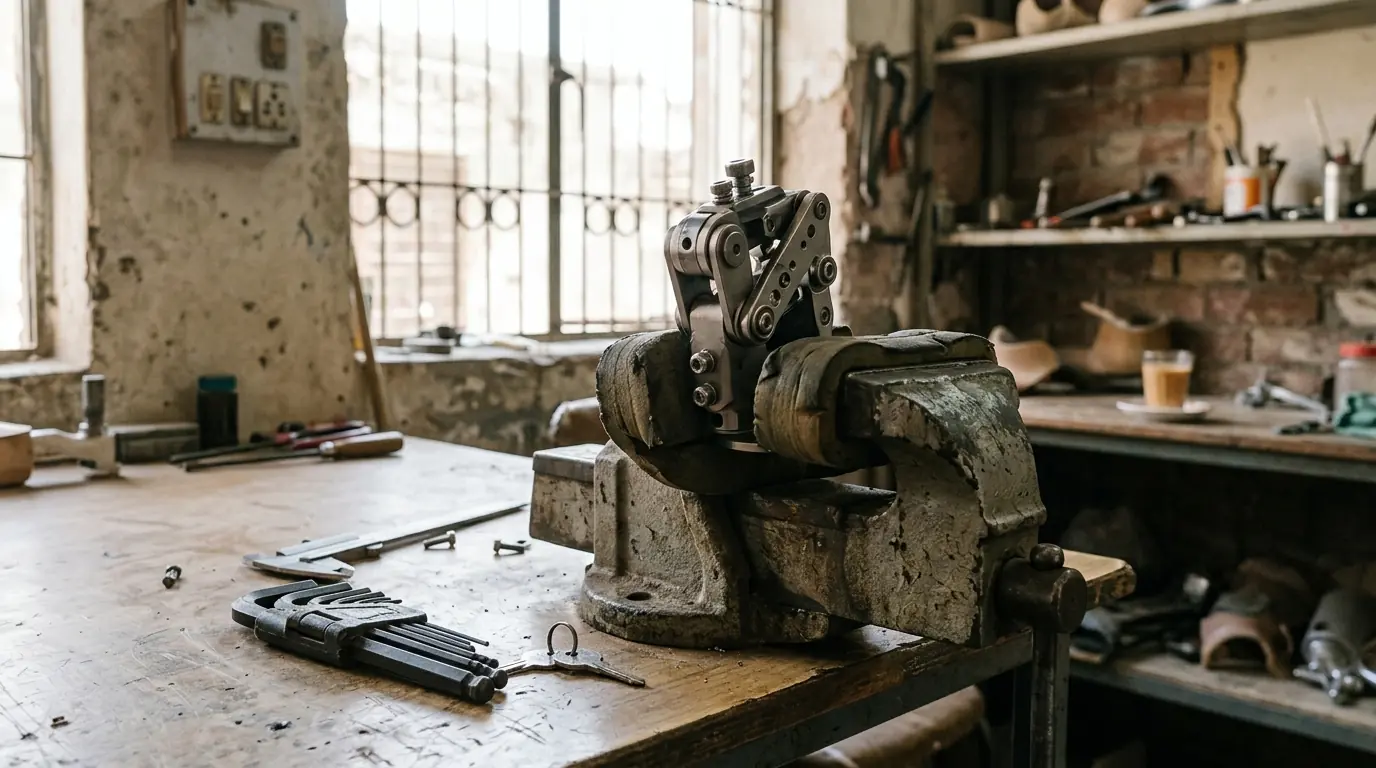
Knees for long limbs
Through-knee limbs leave little space, so the knee must be short to keep both knees close in height.
Knee and hip levels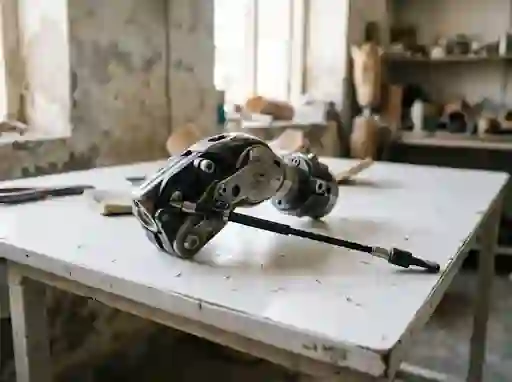
Locking knees for safety
Stays straight while you walk. A small lever unlocks it when you sit. The safest start for many older patients.
Older patients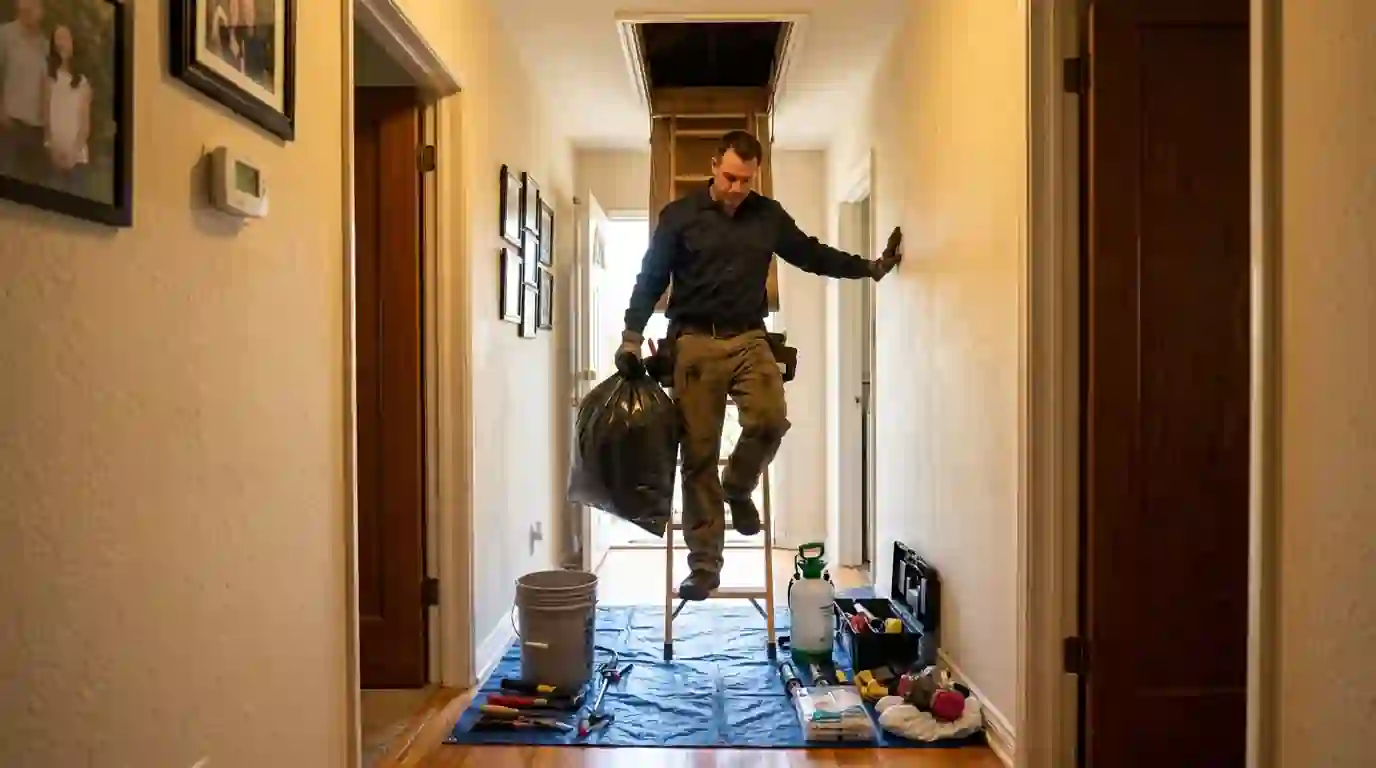
Hydraulic knees for active users
For people who walk long distances and change pace. Smoother and more responsive, at a much higher price.
After a road accident
About microprocessor knees
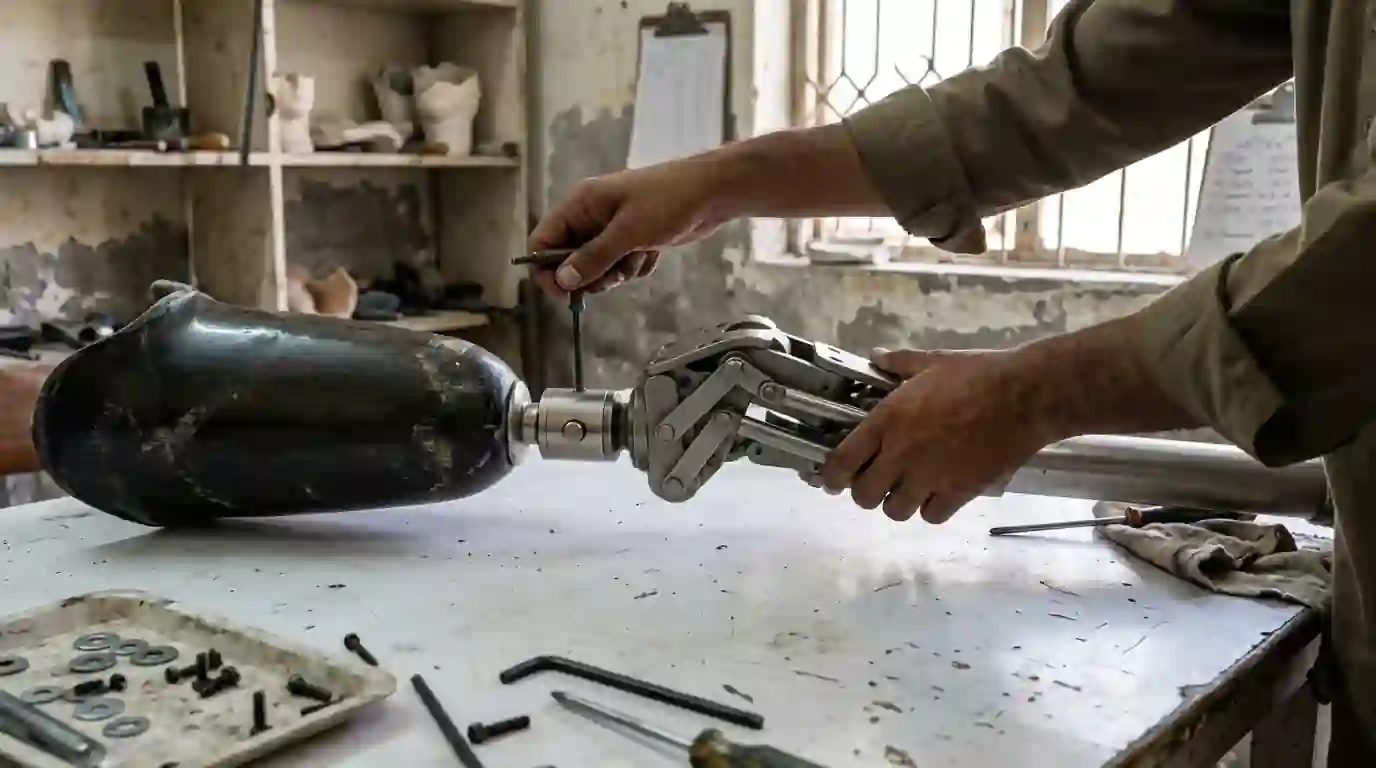
Microprocessor knees measure the leg's position and load many times a second and adjust the resistance as you walk. They are the best knees available for preventing falls, walking down slopes and stairs, and walking at different speeds.
We can import them to order, but we are careful to say when they are worth it. They cost several million rupees, need daily charging, and servicing may mean the knee goes abroad for weeks. For a younger, very active person with good support they can be life-changing. For many others, a hydraulic or good polycentric knee gives most of the benefit for a fraction of the cost.
How we choose your knee
- 1
Test your balance and strength
How well you stand on the leg, control the hip and recover from a small push.
- 2
Ask how you live
Distances, stairs, slopes, work, prayer and sitting on the floor.
- 3
Start safe
Choose a knee you can trust from the first day of training.
- 4
Review after training
If you outgrow the knee, we can change it without remaking the socket.
Knee joint questions
Which prosthetic knee is the safest?
A locking knee is the safest, because it stays straight while you walk. A stable polycentric knee is next, and it bends naturally when you sit. Both suit older or unsteady walkers. Freer knees need good hip strength and balance.
Is a hydraulic knee worth the money?
If you walk a lot and change speed often, yes: it lets the leg keep up when you walk faster and gives a smoother step. If you mostly walk at home and short distances, a good polycentric knee does the job for much less.
Do you fit microprocessor knees in Pakistan?
We can import and fit microprocessor knees to order. They are excellent at preventing falls, but they cost several million rupees, need charging and need servicing that may mean sending the knee abroad. We only recommend one when the benefit is clear.
Can I change to a better knee later?
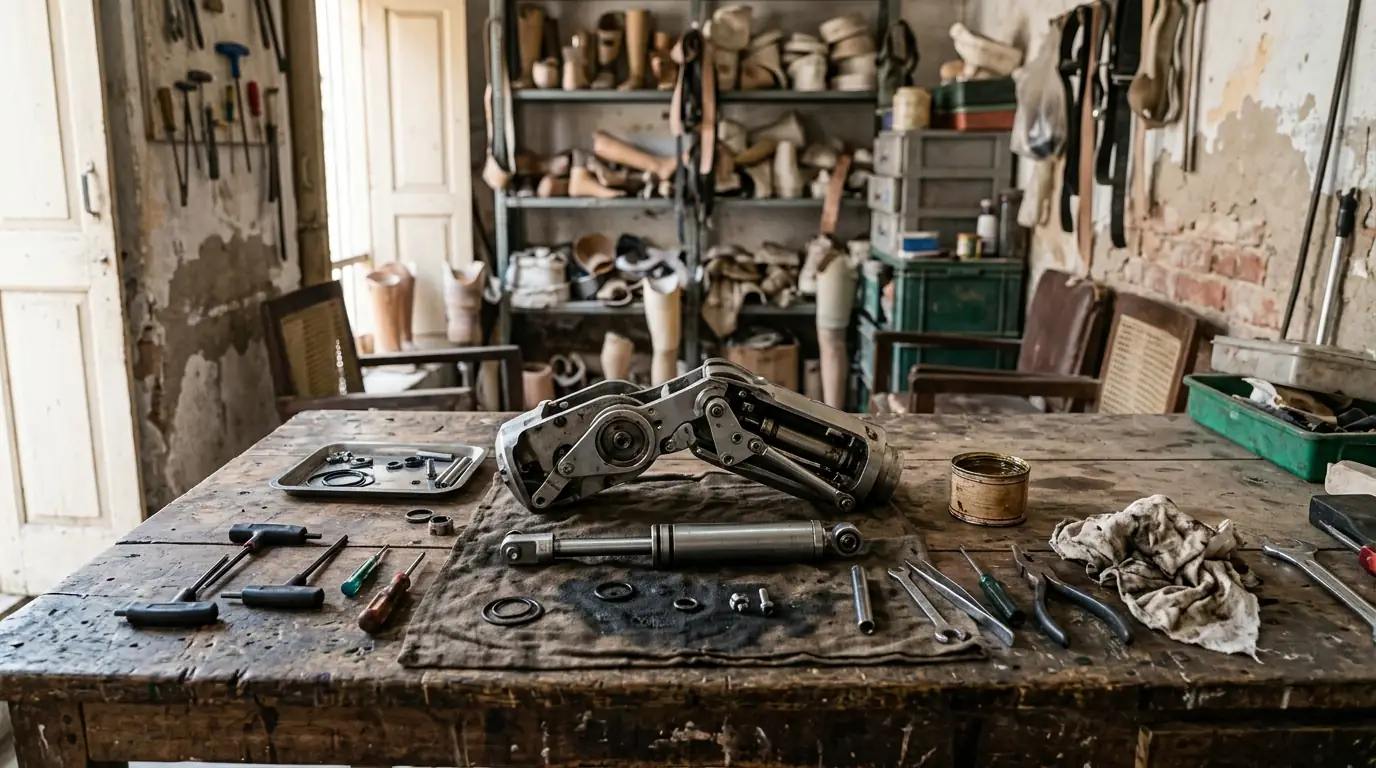
Usually yes. The knee is bolted to the socket and the pylon with standard adapters, so we can swap it without remaking the whole leg, as long as the socket still fits.
How long does a prosthetic knee last?
Simple mechanical knees often last five years or more with servicing. Pneumatic and hydraulic knees need their seals and fluid checked. A knee that clicks, sticks or swings unevenly should be checked before it fails.
Read next
Not sure this is the right leg for you?
Send a photo of the stump and a line about your health on WhatsApp. We will tell you honestly what fits, and what it is likely to cost, before you travel or pay anything.