Local vs imported prosthetic legs
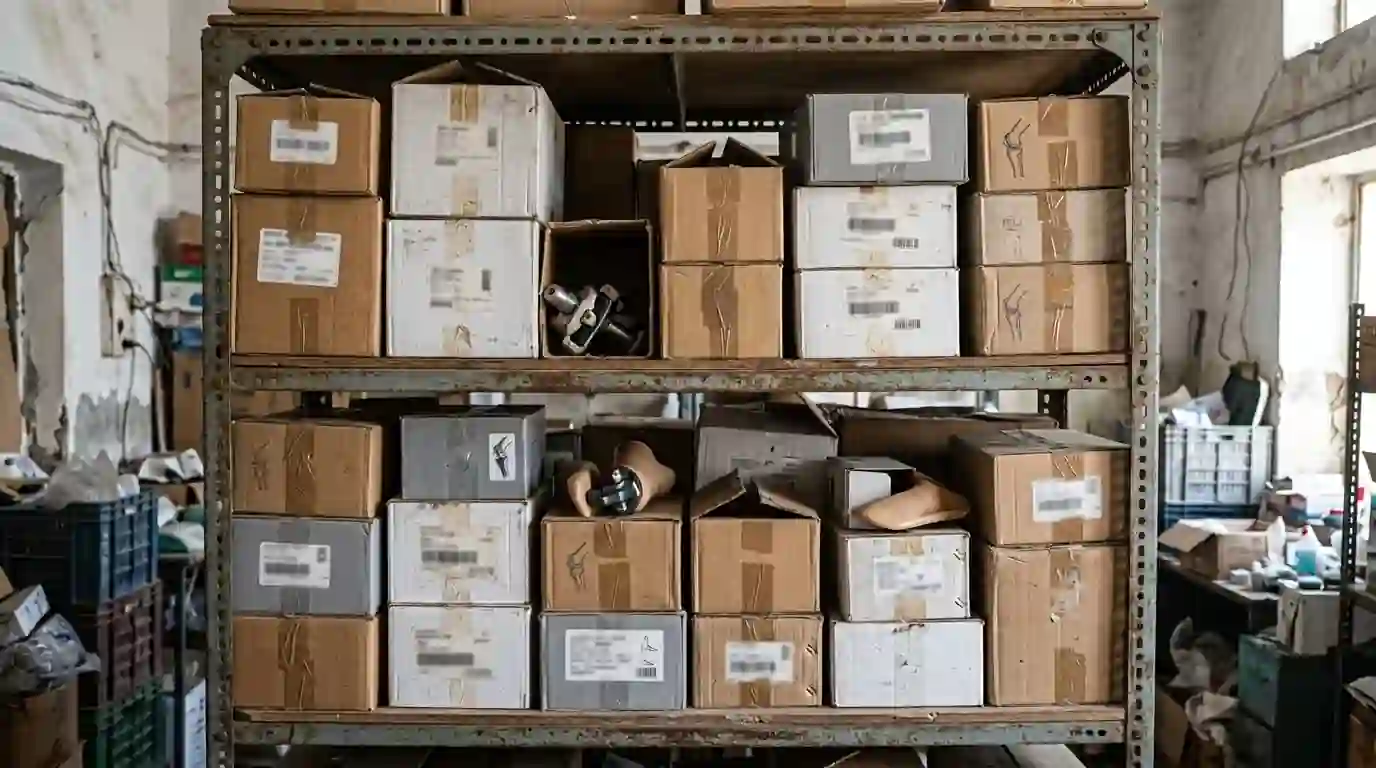
The socket is always made here, on your own cast, whichever parts you choose. The real choice is about the foot, the knee and the liner: some locally made parts are perfectly sound, others are worth importing.
- Free first assessment
- Test socket before the final leg
- Call or WhatsApp 24/7
What local and imported really mean
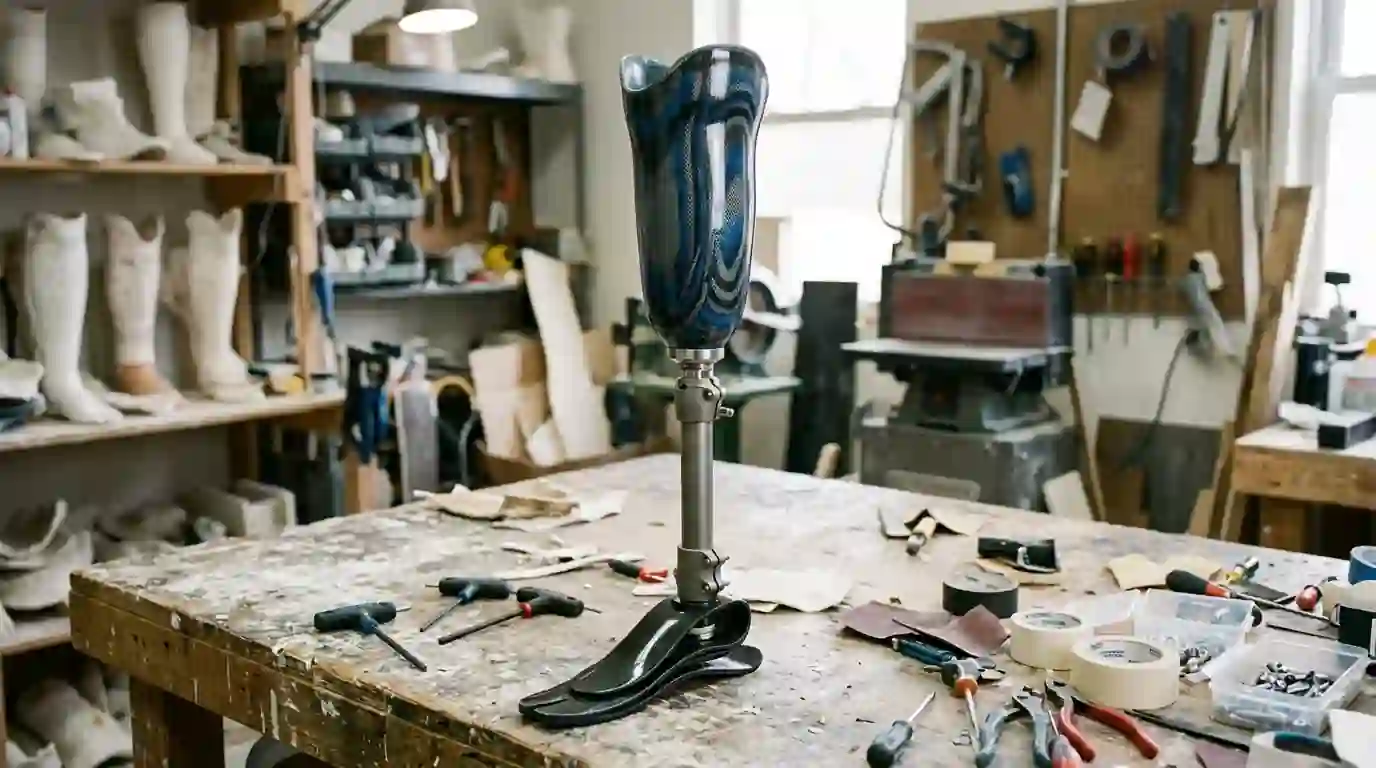
Every prosthetic leg has a part that is always made by hand for you, the socket, and parts that are manufactured: the liner, the pylon and adapters, the knee and the foot. When people talk about a local or an imported leg, they mean where those manufactured parts come from.
Local parts are made in Pakistan or nearby and cost much less. Imported parts come from established makers in Germany, Iceland, the UK, France, the USA, Taiwan, China and India, and range from mid-priced to very expensive. We import components from many makers to order, and we are not an authorised partner of any of them, so we can choose the part that suits you rather than one we have to sell.
Part by part
| Part | Local is usually fine when | Imported is worth it when |
|---|---|---|
| Socket | Always made here, on your cast | Not applicable |
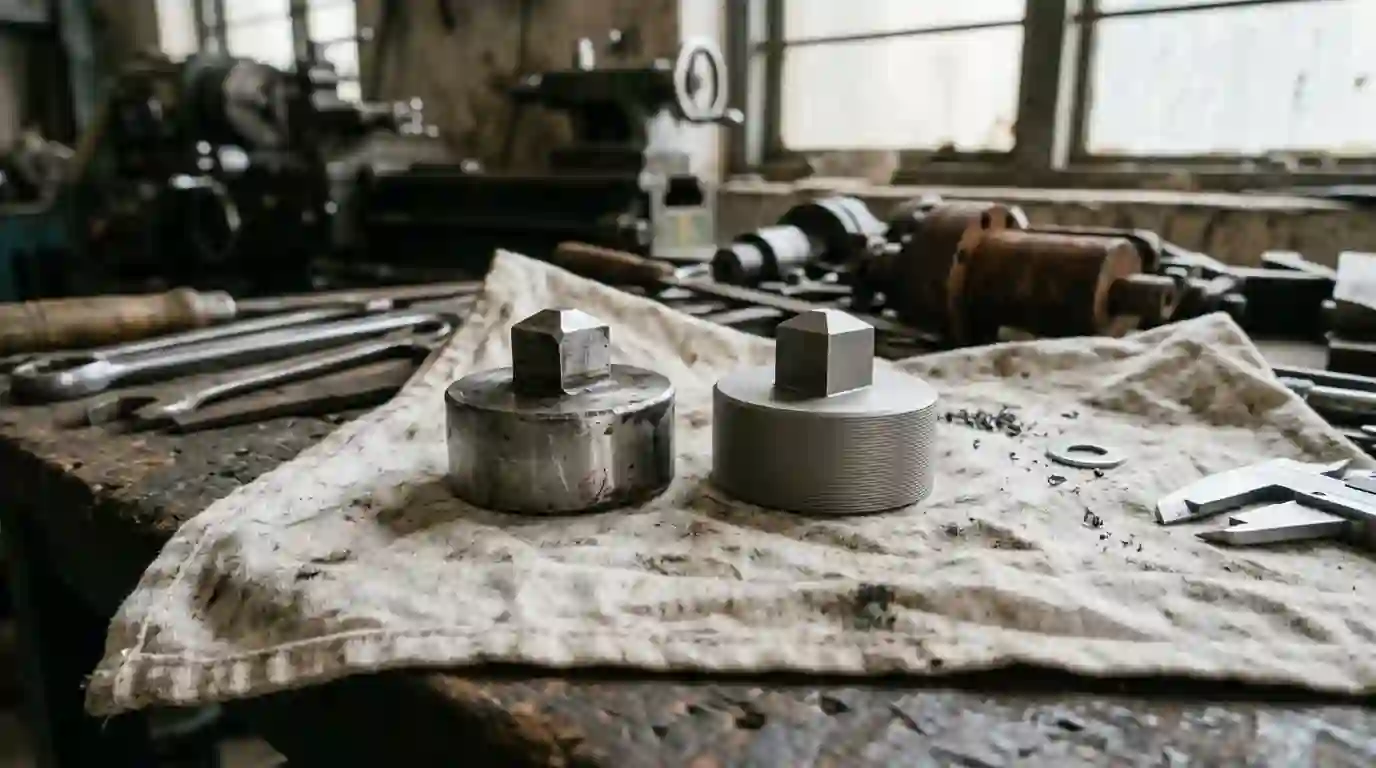
| Pylon and adapters | Most users; check they are steel or aluminium of good grade | Very active or heavy users who need lighter, stronger titanium |
| Foot | Short distances, one speed, tight budget | Long days, faster walking, slopes and stairs |
| Knee | Locking or simple single-axis knees | Polycentric, pneumatic or hydraulic knees |
| Liner | Foam inserts and socks for simple fittings | Silicone or gel liners for fragile skin and secure suspension |
Side by side
Feet
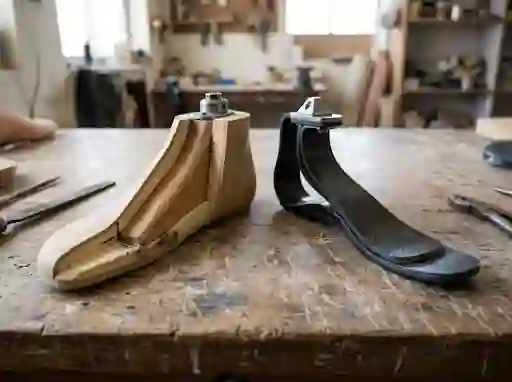
Inside a SACH foot is a solid keel; inside a dynamic foot is a spring. That is the whole difference in feel.
Compare feet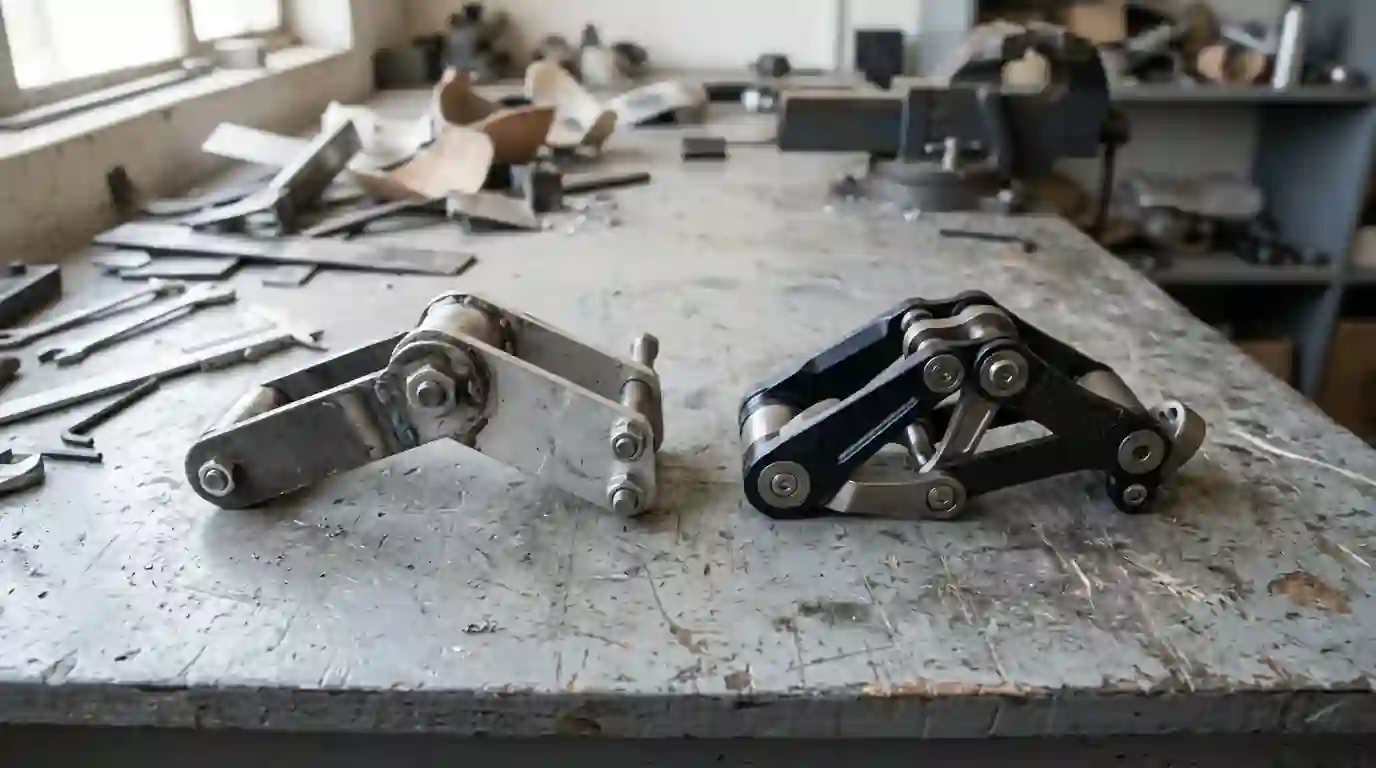
Knees
Simple knees can be made locally. Multi-pivot and fluid-controlled knees are imported.
Compare knees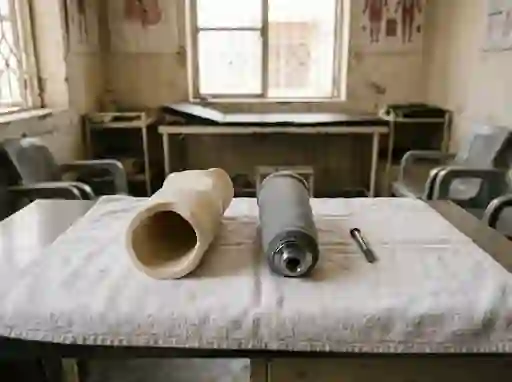
Liners
Foam inserts are cool and cheap. Silicone liners grip better and protect fragile skin.
Liners and sockets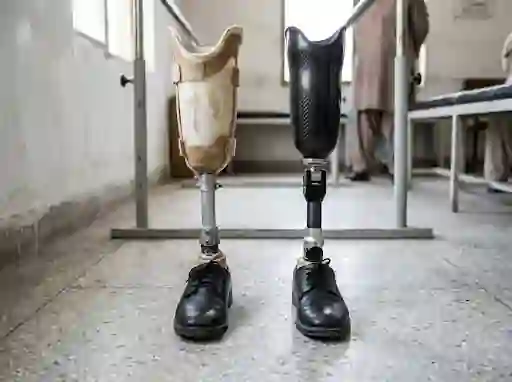
What each choice costs
The same level of amputation can cost three or four times more with imported parts.
Read the price guide
Makers we import from
We import knees, feet, liners and adapters to order from many makers, including Ottobock and Streifeneder (Germany), Össur (Iceland), Blatchford (UK), Proteor (France), Fillauer, College Park and WillowWood (USA), Teh Lin (Taiwan), and Jaipur Foot (India). Each has strengths, and none is the best for everyone. We choose by your needs, your budget and how easily the part can be serviced in Pakistan.
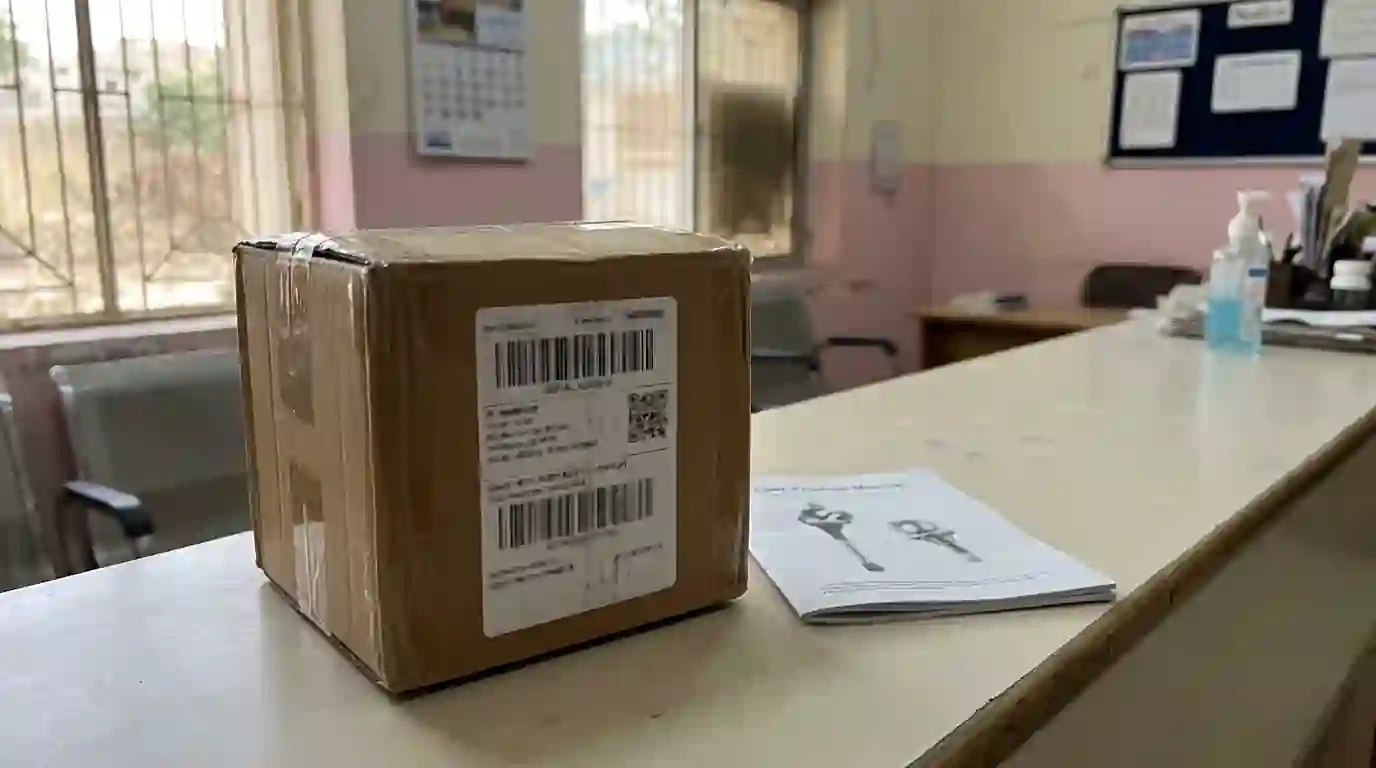
How to avoid fake or second-hand parts sold as new
- Ask for the box and serial numberGenuine branded parts come boxed with a serial number and paperwork.
- Ask what servicing involvesA genuine hydraulic or microprocessor knee has a service plan. A copy often has none.
- Check the weight and activity ratingEvery genuine foot and knee is rated for a weight and an activity level.
- Ask about a warrantyMakers give warranties on genuine parts. Ask what it covers and for how long.
Local and imported: questions
Are imported prosthetic legs better than local ones?
Not automatically. A well-made local leg with a good socket can be better than an imported leg with a poor socket. Imported parts are usually better for active users who need a dynamic foot, a freer knee or a high-grade liner.
Which countries do imported prosthetic parts come from?
Mostly Germany, Iceland, the UK, France, the USA, Taiwan, China and India. Each maker has its strengths. We import to order from many of them and are not tied to any one brand.
How do I know an imported part is genuine?
Ask to see the box, the serial number and the paperwork. Genuine branded knees and feet carry a serial number you can check with the maker. Be careful of branded parts offered without a box at a very low price.
Can you mix local and imported parts in one leg?
Yes, and it is often the best value: a socket made here, local adapters and pylon, and an imported foot or knee where it makes the biggest difference.
Read next
Not sure this is the right leg for you?
Send a photo of the stump and a line about your health on WhatsApp. We will tell you honestly what fits, and what it is likely to cost, before you travel or pay anything.