Prosthetic legs for children
Children grow, run and fall far more than adults, so a child's leg has to be light, tough and easy to change. We plan for growth from the first fitting, so most changes are a new socket or a longer pylon, not a whole new leg.
- Free first assessment
- Test socket before the final leg
- Call or WhatsApp 24/7
How a child's leg is different
Children are not small adults. Their bones are still growing, their skin heals quickly but marks easily, and they are hard on everything they use. Some children are born without part of a leg, some lose a leg after an accident or illness. In both cases the goal is the same: a leg they want to wear, that lets them do what other children do.
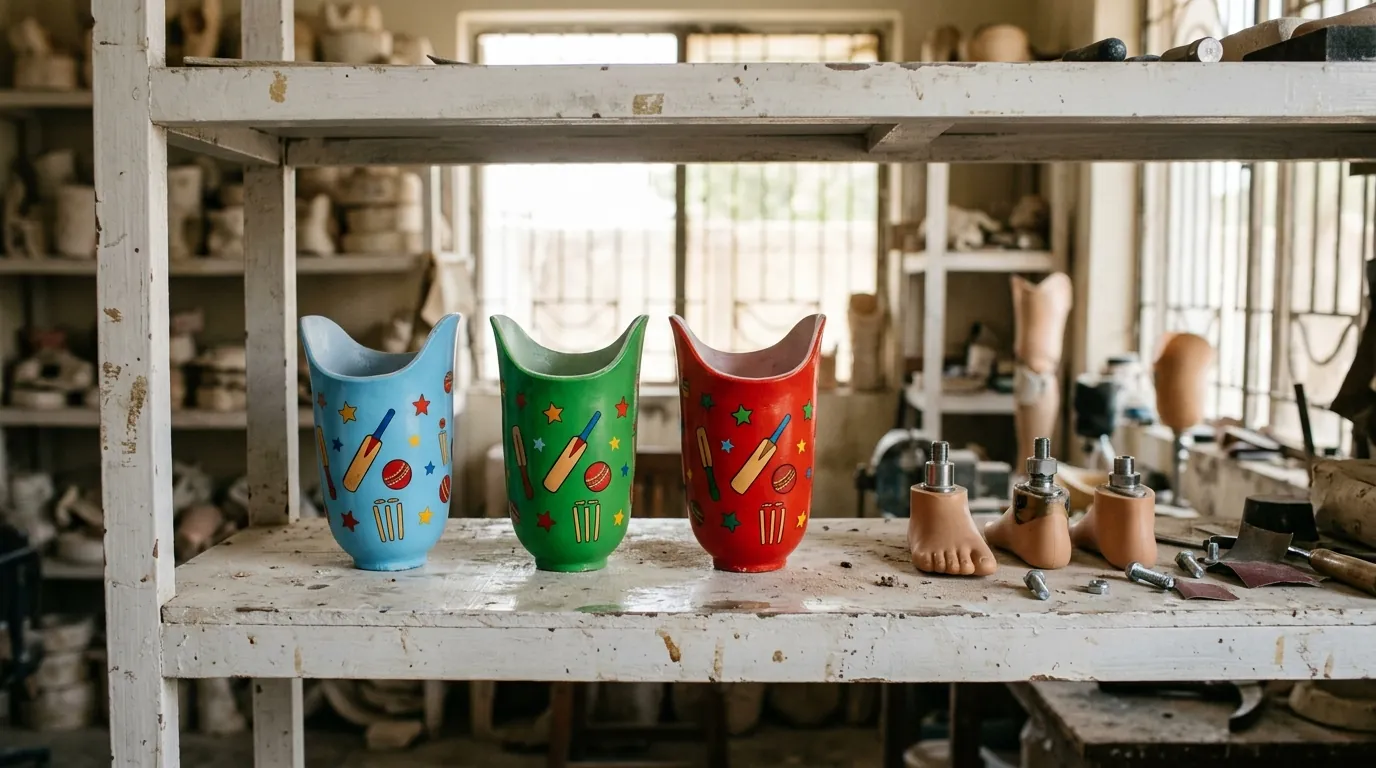
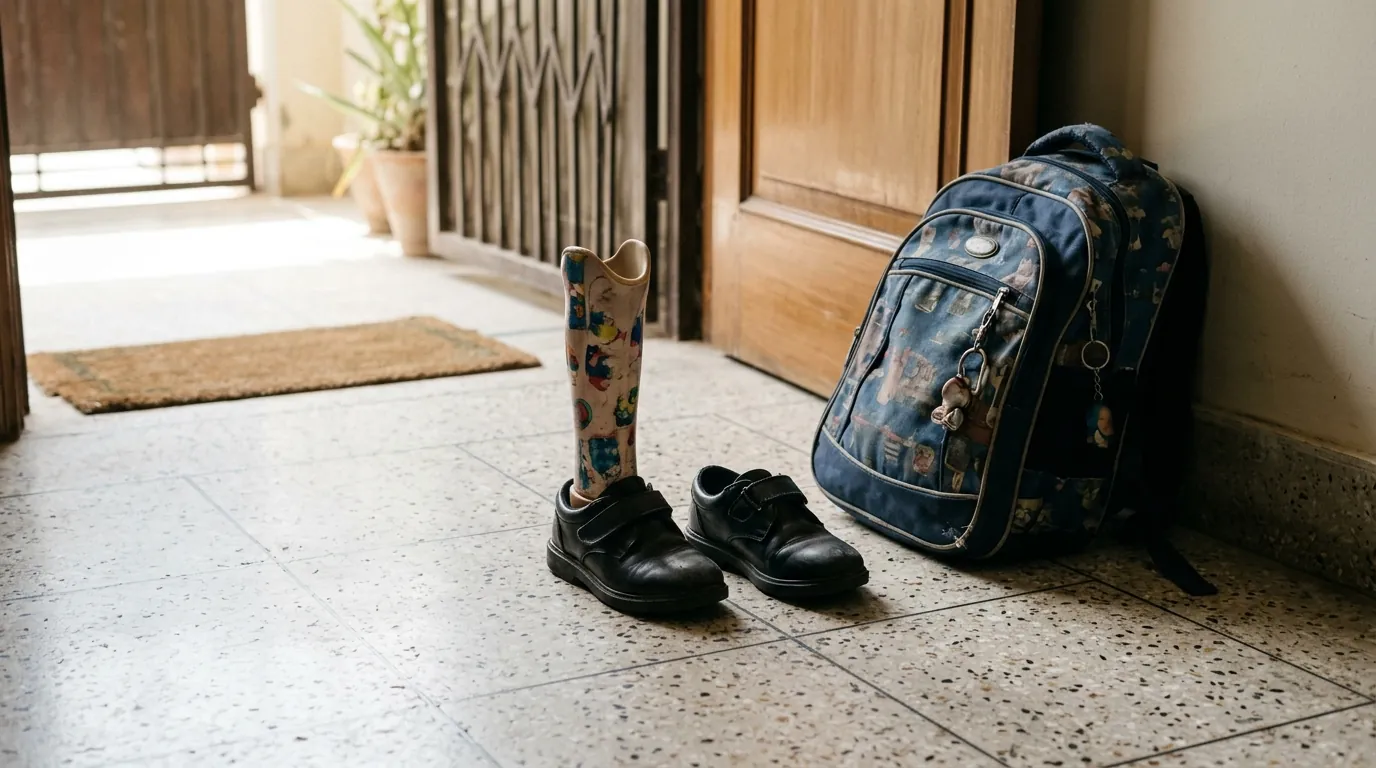
We build children's legs with growth room in the socket, using thicker liners or socks that come out as the leg grows, and adjustable pylons that can be lengthened. Feet are small, light and tough. Many children enjoy choosing a pattern for the socket: a cricket team, a cartoon or a favourite colour.
A young child's bone can sometimes grow faster than the skin over the end of the stump. If your child complains of a sharp point at the end of the limb, or the skin there looks tight and shiny, we will ask you to see the surgeon.
Children's leg prices
| What is made | Range | What is usually inside |
|---|---|---|
| First below-knee leg | Rs 45,000 to 120,000 | Light socket with growth room, child-size foot, optional pattern |
| First above-knee leg | Rs 90,000 to 250,000 | Thigh socket with growth room, child-size locking or bending knee, foot |
| New socket as they grow | Rs 40,000 to 90,000 | New socket on a new cast, knee and foot kept if they still fit |
| Lengthening and check-up | Often low cost or free | Pylon adjusted, pads changed, skin checked |
For adult legs and every level, see the price guide.
What to expect over the years
- 1
First fitting
A light leg with a stable foot, and for above-knee children often a locking knee to begin with.
- 2
Learning to walk
Short daily practice, mostly through play, with parents shown how to put the leg on and check the skin.
- 3
Check-ups every few months
We look at fit, length and wear. Pads and socks change as the child grows.
- 4
New sockets
Usually every 12 to 18 months, faster during growth spurts.
- 5
Teenage years
Sport feet, better knees and cosmetic covers as the child's own goals change.
For parents
Simple habits that help at home
- Check the skin every nightLook for red marks, blisters or rubbing. Marks that fade within half an hour are normal.
- Mark the check-up datesGrowth is easy to miss day to day. Regular checks catch a tight socket early.
- Same-height shoes on both feetShoes with different heel heights change how the leg is lined up.
- Let the child leadChildren who help choose the pattern and practise through play wear their leg more.
Questions parents ask
At what age can a child get a prosthetic leg?
Many children are fitted when they start pulling up to stand, usually around 8 to 14 months. Fitting at the age a child would naturally walk helps them learn to walk with the leg as part of their body.
How often will my child need a new leg?
Most children need a new socket every 12 to 18 months, and sometimes sooner during growth spurts. The foot and knee often last through two sockets if they still fit. Teenagers who have stopped growing change much less often.
Will my child be able to run and play?
Most children with a below-knee leg run, play cricket and keep up with friends. Above-knee legs for small children often start with a locking knee for safety, then move to a knee that bends as their balance improves.
Is a child's leg cheaper than an adult's?
The leg itself is smaller and often cheaper, from Rs 45,000 for a first below-knee leg. Over the years the total cost is higher because the socket must be replaced as the child grows. We plan this with you so there are no surprises.
How do I know the leg is too small?
Watch for red marks that stay longer than half an hour, a limp that was not there before, the child refusing to wear it, or the leg looking shorter than the other side. Any of these means it is time for a check.
Read next
Talk to us about your child's leg
Send a photo and your child's age on WhatsApp, or call. We will explain what a first leg looks like at that age, how often it will change, and the likely cost over the next few years.