Prosthetic leg after a road accident
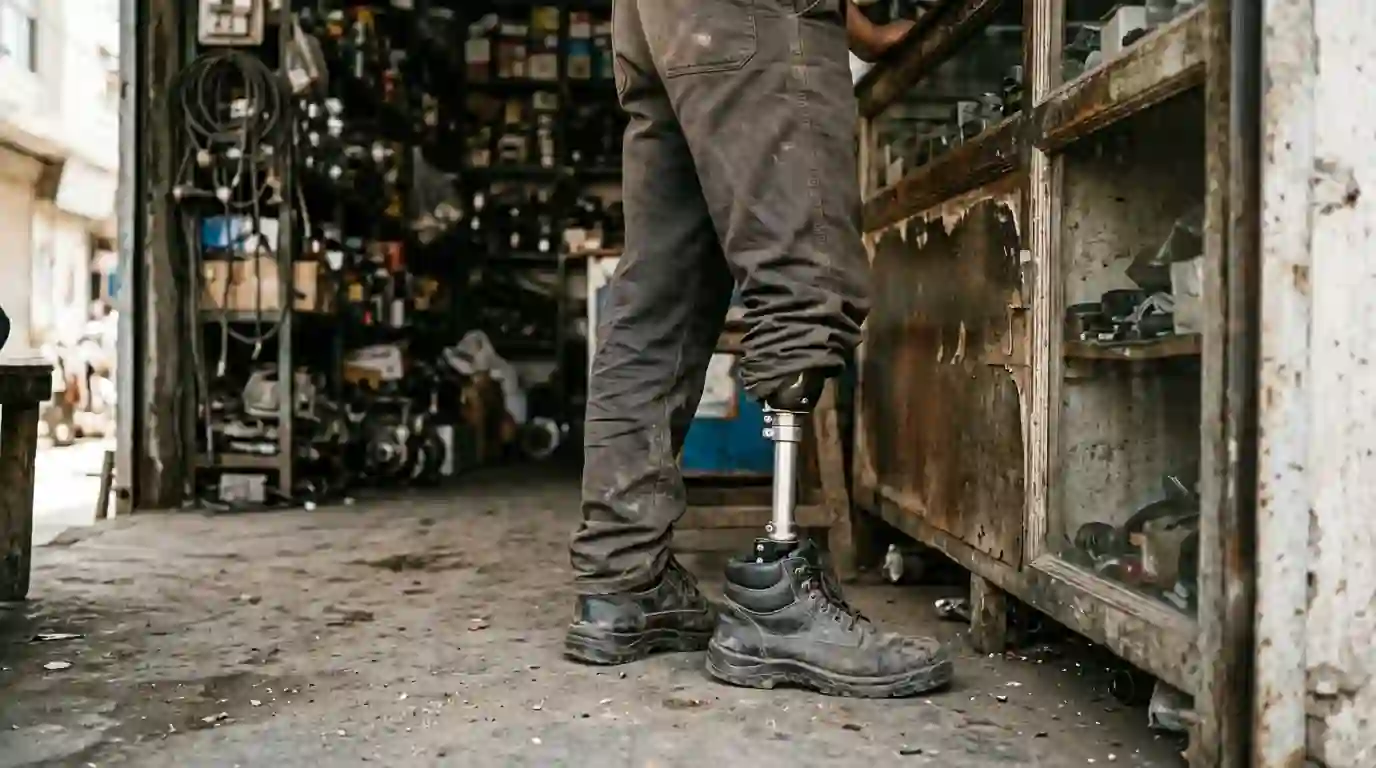
Most people who lose a leg in an accident are young, were working the week before, and want to get back to it. We build strong legs for long days, plan the fitting around your work, and help you get there as quickly as healing allows.
- Free first assessment
- Test socket before the final leg
- Call or WhatsApp 24/7
A different patient, a different plan
An amputation after an accident is usually sudden. One day you are riding to work, the next you are in a hospital bed with questions nobody has answered yet. The good news is that people who lose a leg after an injury are often young and otherwise healthy, so they tend to heal well and learn quickly.
Accident amputations are less tidy than planned surgery. There may be skin grafts, scars in awkward places, an uneven bone end or injuries to the other leg. That makes the socket even more important. We take time over the test socket so pressure stays off grafted skin and sensitive scars.
We also talk about work early. A delivery rider, a mechanic, a shopkeeper and an office worker need different things from a leg, and the right choices at the start save money later.
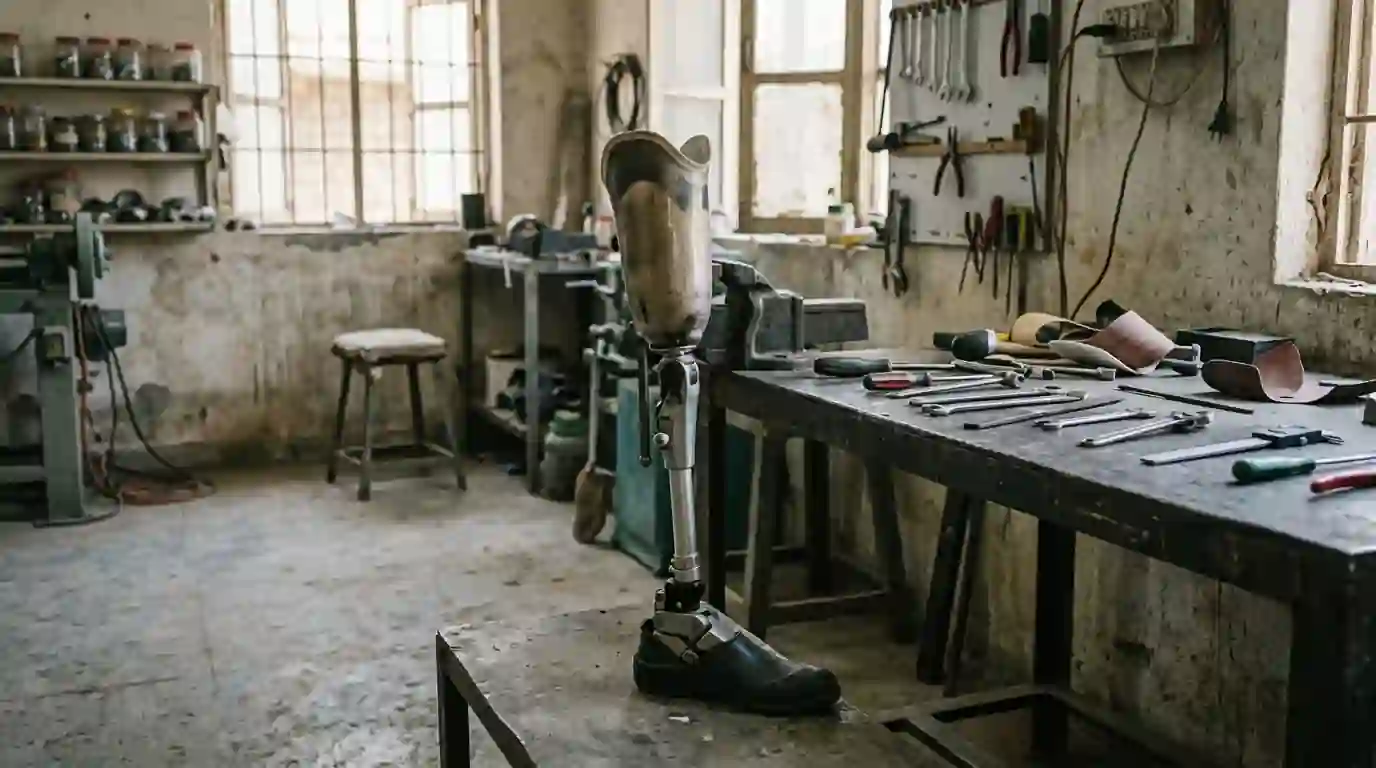
Matching the leg to the job
| Kind of work | What usually suits | Notes |
|---|---|---|
| Office, shop or teaching | Mid-range leg, dynamic foot, pin or seal liner | Comfort for sitting and walking short distances |
| Driving or riding for work | Below knee: dynamic foot; above knee: stable knee | Car controls may need changing on the right side |
| Standing all day, retail or factory | Durable foot, seal-in liner, good socks | Skin care in the heat is the main issue |
| Heavy or outdoor labour | Multi-axial or rugged foot, strong socket | Spare liner and regular checks for wear |
Prices for each level are in the price guide.
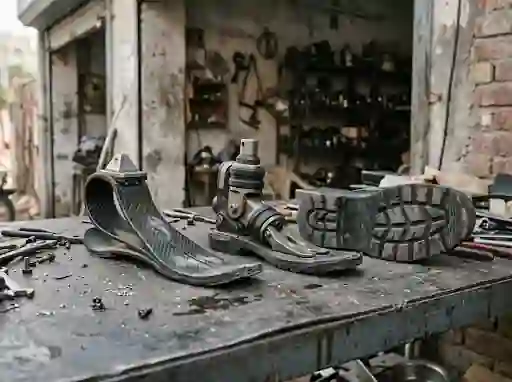
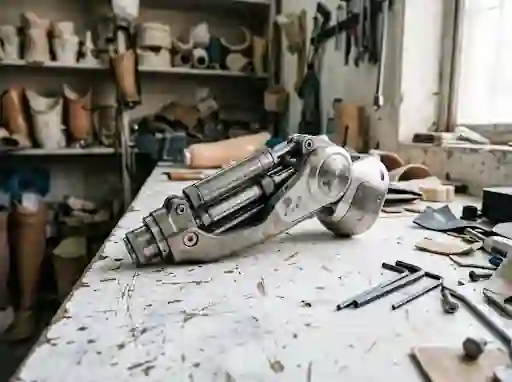
Parts that matter for active users

Getting back to work
- 1
While you heal
Shrinker sock, knee and hip stretches, and upper-body strength. Plan time off work with your employer.
- 2
Assessment and casting
As soon as the wound and any grafts are ready, often a few weeks after surgery.
- 3
Fitting and training
Intensive training for younger patients: balance, uneven ground, stairs, getting up from the floor.
- 4
Back to work
Start with shorter days if you can. Pain or sores at the end of the day mean the socket needs adjusting.
- 5
First-year changes
Expect socks, pads and possibly a new socket as the stump settles.
Questions after an accident
How soon can I go back to work after getting a prosthetic leg?
It depends on the job. Desk or shop work is often possible within weeks of a below-knee fitting. Jobs with heavy lifting, ladders or long standing take longer and may need a sturdier foot. We plan the fitting and training around what your work needs.
Can I ride a motorcycle again with a prosthetic leg?
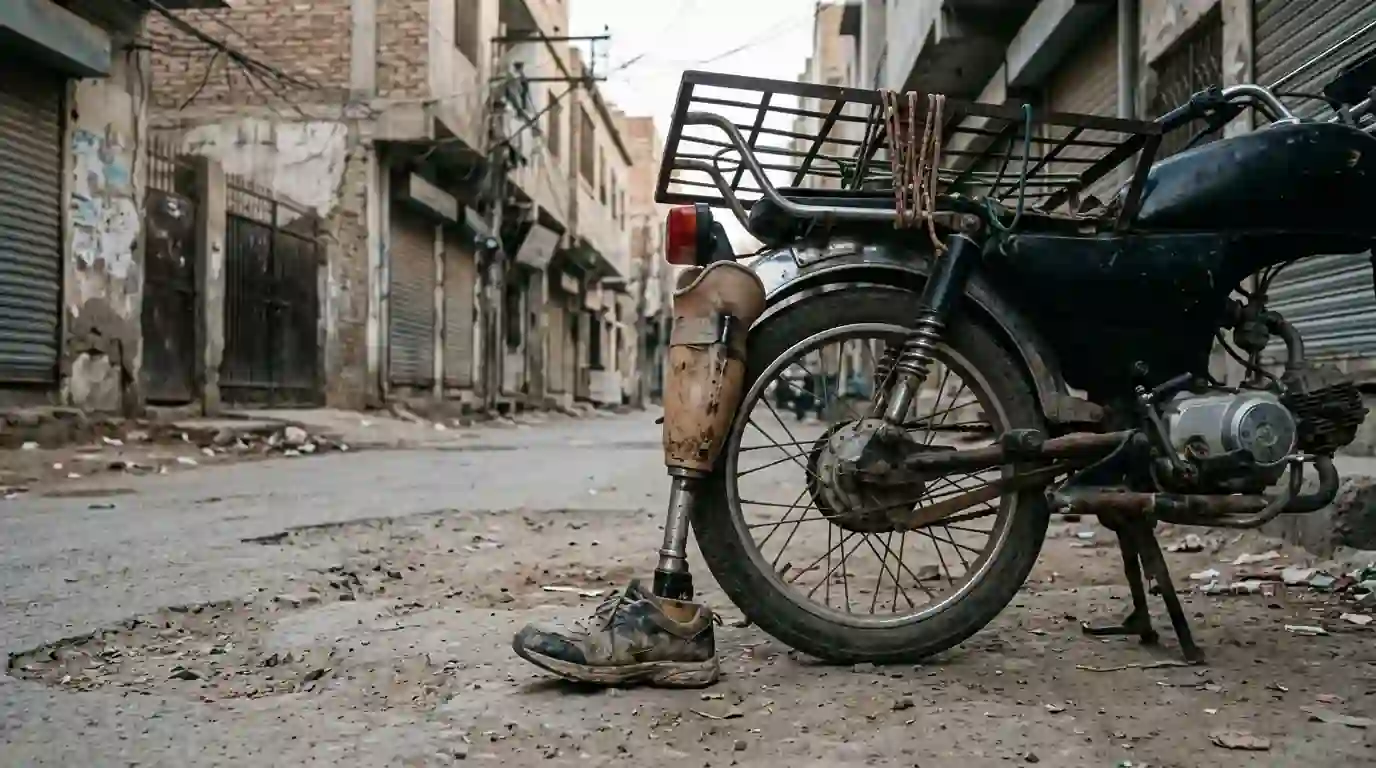
Many below-knee users ride again, and some above-knee users too. The gear lever is on the left on most bikes, which matters if that is your amputated side. Get your doctor's advice and practise somewhere safe before riding in traffic.
What if I also broke other bones in the accident?
Other fractures, especially in the other leg, the pelvis or the arms, change the timing and the training. We work around them and wait until your doctor says the other injuries can take weight.
Which foot is best for a hard-working job?
A durable dynamic or multi-axial foot that copes with long hours and uneven ground. Very light sports feet are not always the best choice for heavy work. We match the foot to your job and your weight.
Read next
Not sure this is the right leg for you?
Send a photo of the stump and a line about your health on WhatsApp. We will tell you honestly what fits, and what it is likely to cost, before you travel or pay anything.