Prosthetic leg after a diabetic amputation
After a diabetic amputation the leg is only half the job; protecting the skin that is left, and the other foot, is the other half. We wait for proper healing, use soft liners and careful sockets, and check your skin at every visit.
- Free first assessment
- Test socket before the final leg
- Call or WhatsApp 24/7
Why diabetic amputations need a different approach
More than one adult in four in Pakistan lives with diabetes (IDF Diabetes Atlas, 2021), and diabetes is the most common reason for leg amputation that does not follow an injury. Long-term high sugar damages the small blood vessels and nerves, so skin heals slowly and you may not feel a sore starting. Those same problems affect the stump and the other foot after an amputation.
So we fit differently. We wait for the wound to heal fully before casting. We use soft gel liners and sockets shaped to spread pressure over the whole stump. We check the skin at every visit, and we spend time on the other foot: its shoes, its skin and any early warning signs.
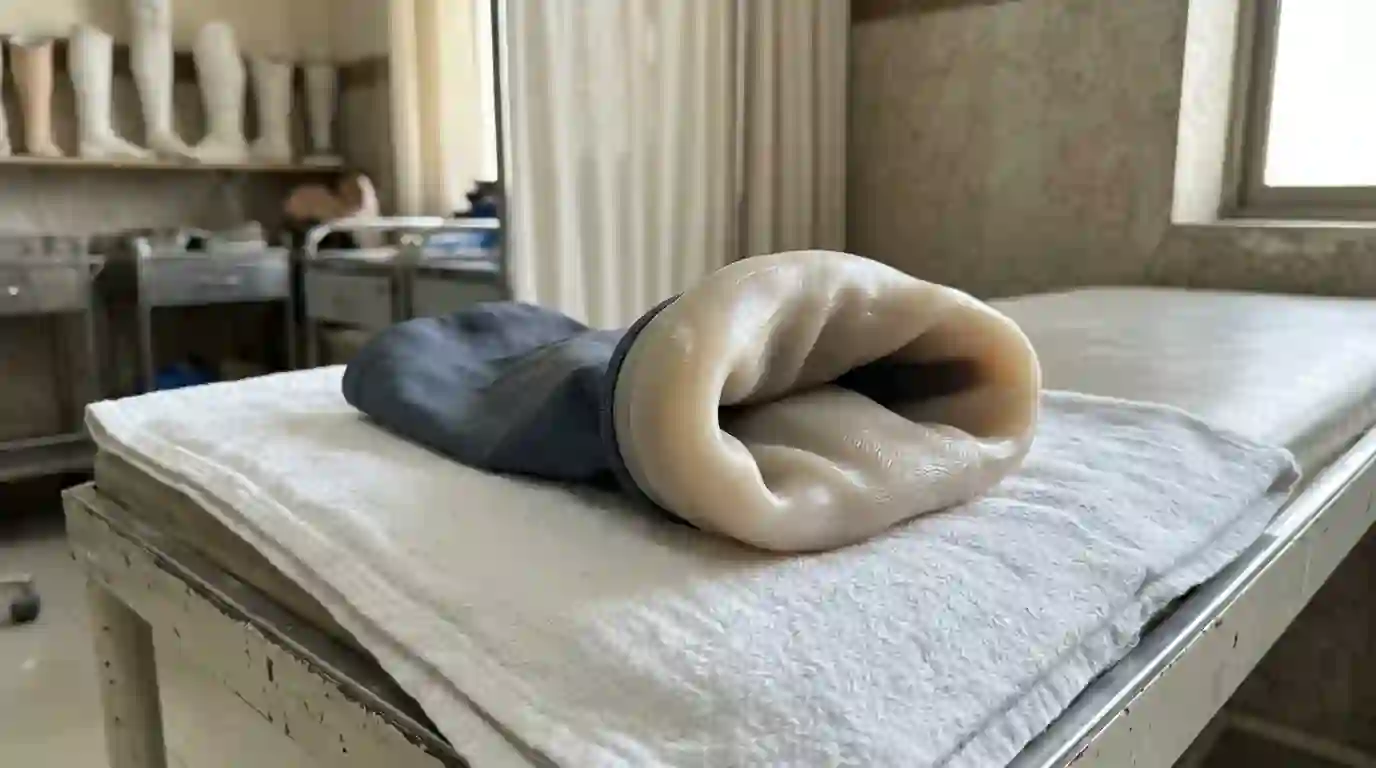
The daily routine that protects you
- Check the stump every eveningUse a mirror. Look for red marks that stay longer than half an hour, blisters, cracks or dark spots.
- Check the other foot tooBetween the toes, the heel and the sole. Never walk barefoot, even indoors.
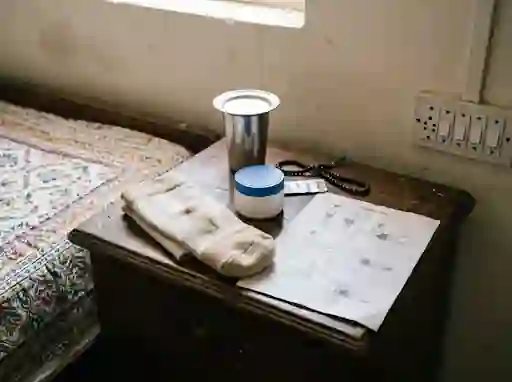
- Wash and dry carefullyWash the liner and the stump daily, dry well, and keep the skin moisturised but not between the toes.
- Keep sugar steadySteady blood sugar helps healing and keeps the stump shape stable, so the socket keeps fitting.
- Come in at the first signA small sore caught in a day or two is easy to treat. Left for a week, it can stop you wearing the leg for months.
Typical legs after a diabetic amputation
| Level | Usual choice | Range |
|---|---|---|
| Toes or forefoot | Filler on a moulded insole, extra-depth shoes | Rs 10,000 to 40,000 |
| Below the knee | Socket on your cast, soft gel liner, stable foot | Rs 80,000 to 350,000 |
| Above the knee | Light leg, stable or locking knee, soft liner | Rs 150,000 to 700,000 |
Premium imported parts are available, but for most diabetic patients comfort and skin protection matter more than an expensive foot. See the price guide.
Read alongside this page
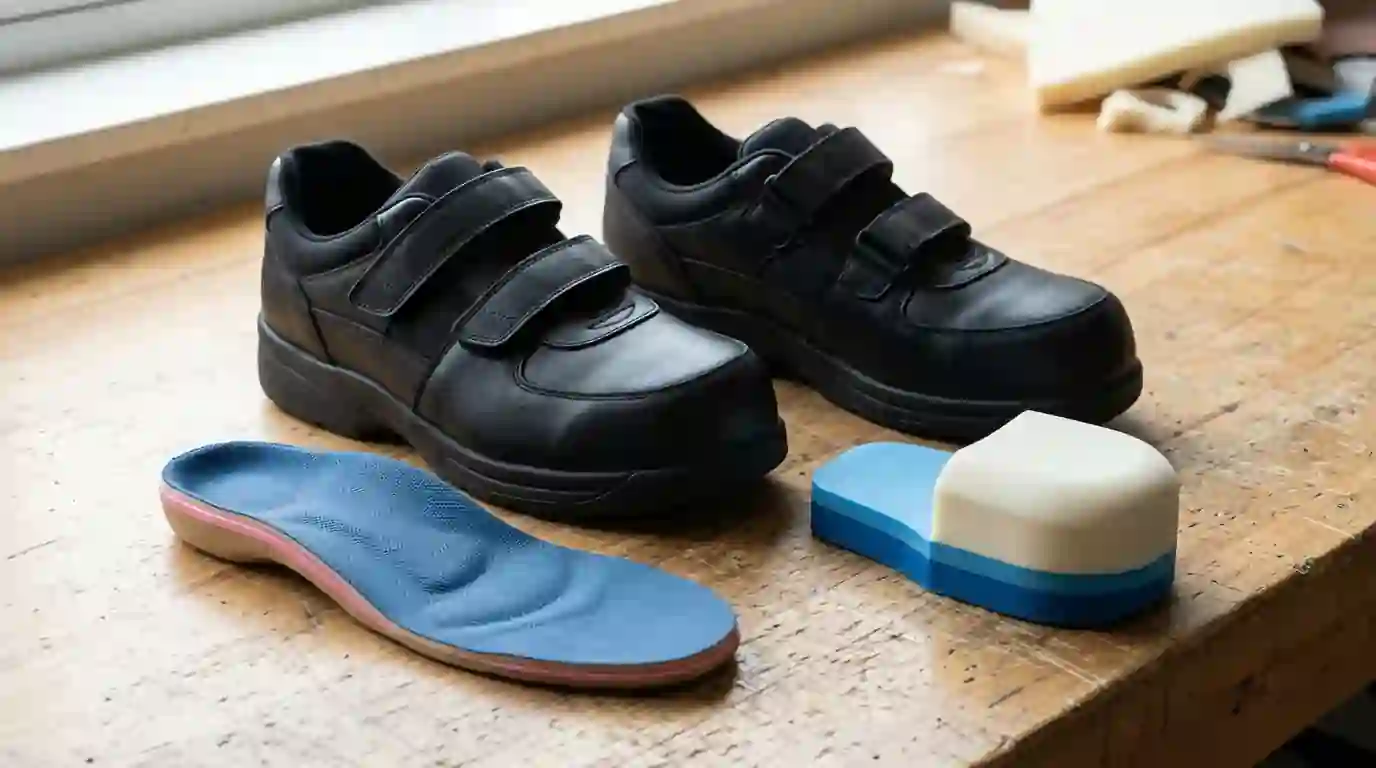
How fitting goes after a diabetic amputation
- 1
Healing check
We look at the scar and the skin, and ask about your sugar levels and your surgeon's advice.
- 2
Stump shaping
A shrinker sock or bandaging to bring the swelling down before casting.
- 3
Cast and test socket
A careful cast and a clear test socket, with extra attention to bony areas and the scar.
- 4
Gradual wearing time
Start with an hour or two a day, checking the skin each time, then increase.
- 5
Frequent reviews
More check-ups in the first year, with socks, pads or a new socket as the stump shrinks.
Questions about diabetes and prosthetic legs
How long after a diabetic amputation can I get a prosthetic leg?
Healing is often slower with diabetes. Many people are ready around eight to twelve weeks after surgery, some later. The wound must be fully closed and the swelling settled. Casting too early can break the skin down again.
Is a prosthetic leg safe if I have diabetes?
Yes, with care. The socket must spread pressure evenly, the liner must cushion the skin, and you must check the stump and the other foot every day. Most problems we see start as a small red mark that was ignored.
Why should I worry about my other foot?
With diabetes, the condition that affected one foot usually affects the other. After an amputation the other foot carries more weight and works harder. Good shoes, daily checks and quick treatment of any blister protect it.
Does the socket need changing more often with diabetes?
In the first year the stump often shrinks and changes, especially if weight or swelling changes. Many patients need socks added often, and a new socket within the first year. Steady blood sugar helps the shape settle.
Can I still walk if I lose sensation in my stump?
Yes, but you must rely on your eyes rather than feeling. A daily mirror check of the stump, and of the other foot, becomes part of your routine. We show you exactly what to look for.
Read next
Not sure this is the right leg for you?
Send a photo of the stump and a line about your health on WhatsApp. We will tell you honestly what fits, and what it is likely to cost, before you travel or pay anything.