Walking training with a prosthetic leg
A new leg does not walk by itself. Your hips, your balance and your confidence do the walking, and they need training. This guide shows what the sessions look like, how long they take, and the exercises that help most at home.
- Free first assessment
- Test socket before the final leg
- Call or WhatsApp 24/7
The stages of training
- 1
Standing between the bars
Putting weight through the leg and shifting from side to side until it feels safe.
- 2
Stepping between the bars
Even steps, heel first, looking ahead rather than down at your feet.
- 3
Walker or two sticks
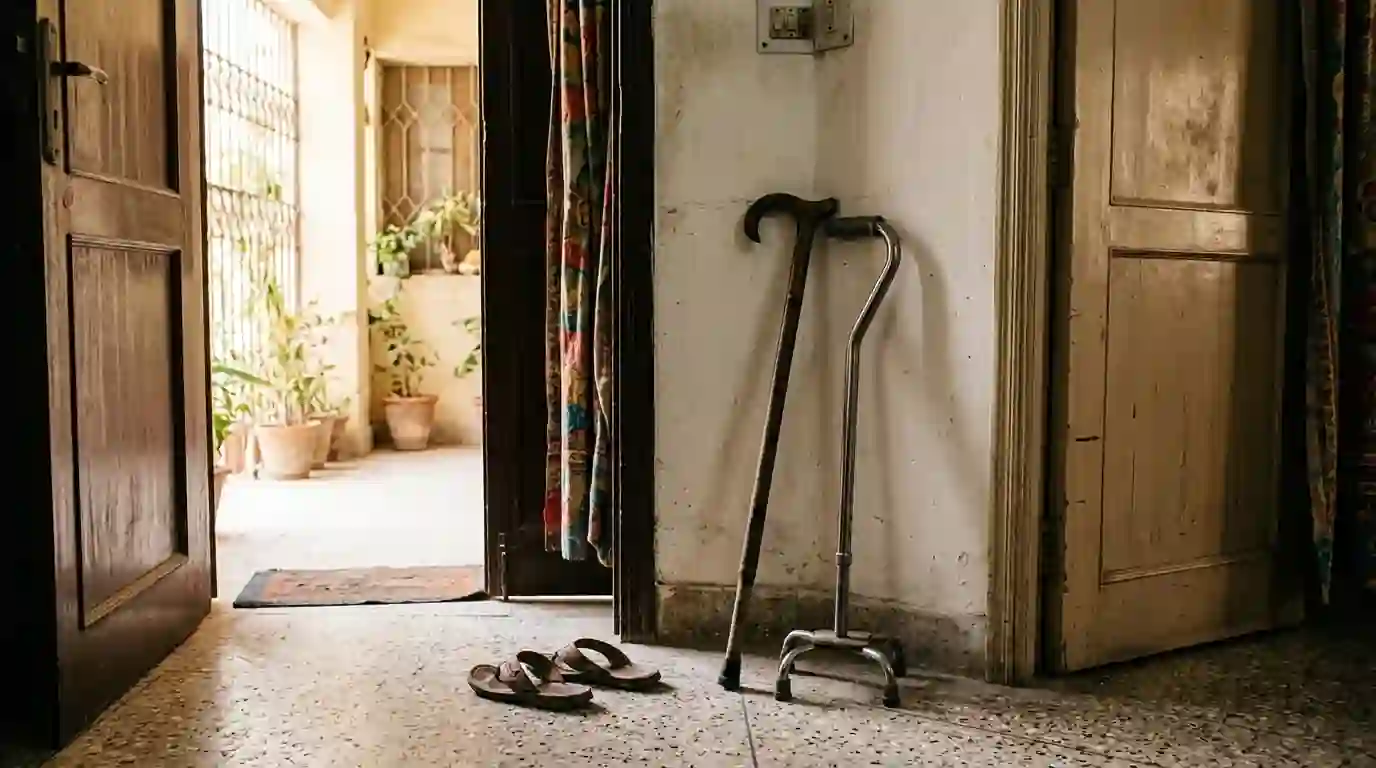
Walking in the clinic and at home with support you can trust.
- 4
One stick, then none
The stick goes in the hand opposite the prosthetic leg, until you no longer need it.
- 5
Real life
Turning, doorways, slopes, stairs, uneven ground, getting in and out of a car or rickshaw.
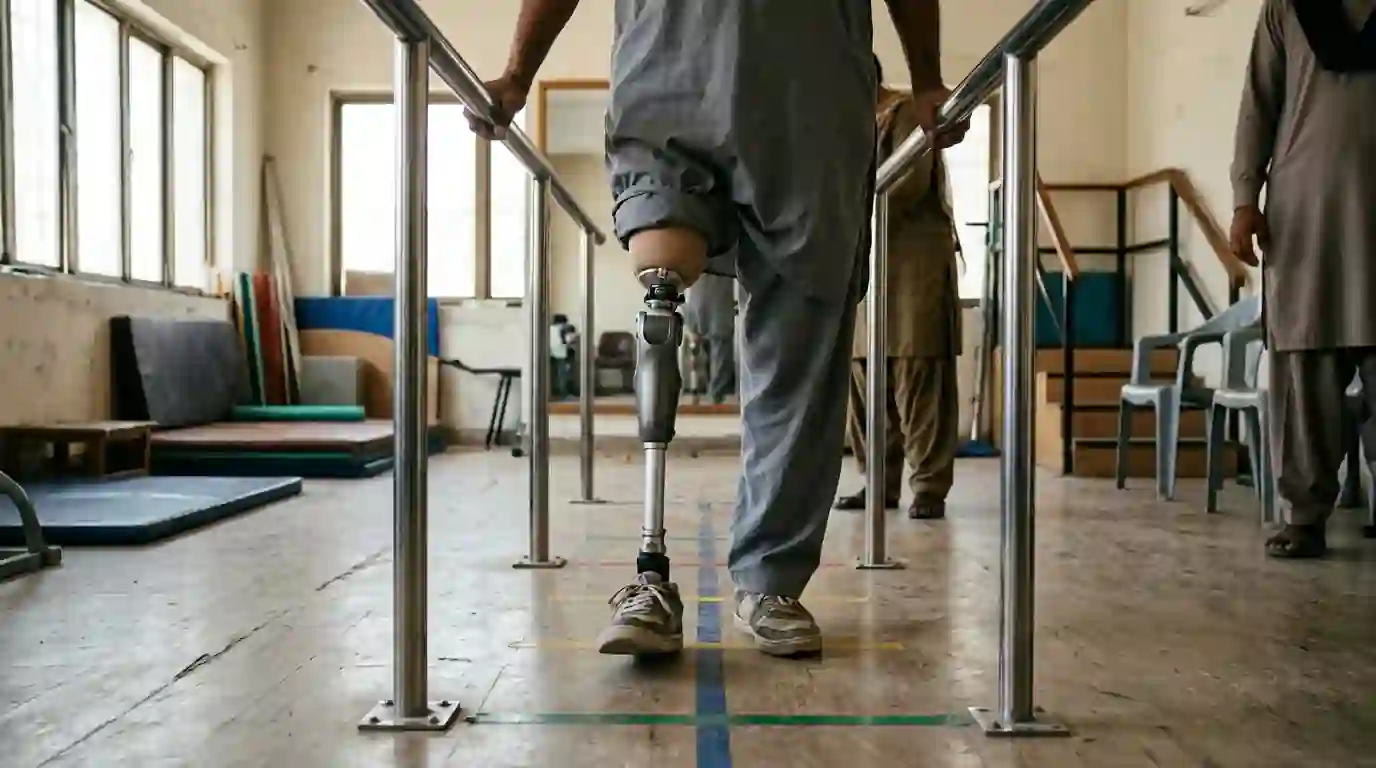
What a good step looks like
- Even steps. The same length with both legs, and the same time on each.
- Heel first. The prosthetic heel touches down, then you roll over the foot.
- Upright body. No lean over the prosthetic side. Look ahead, not at your feet.
- Push from the hip. The hip drives the step; for above-knee users it also keeps the knee straight under you.
If something feels wrong, such as a twist, a lean or pressure in the socket, tell us. It is often an alignment change of a few millimetres, not something you have to put up with.
Exercises for home
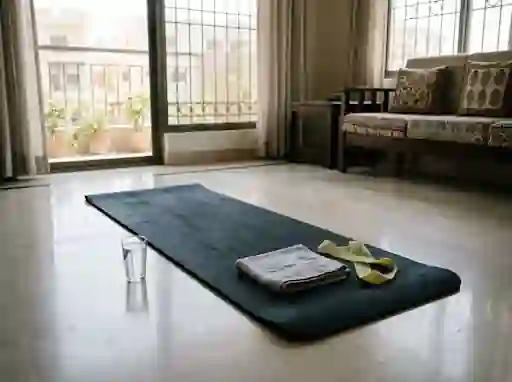
Hip strength
Bridges, side leg lifts and lying on your front. Ten minutes a day makes a visible difference.
Early exercises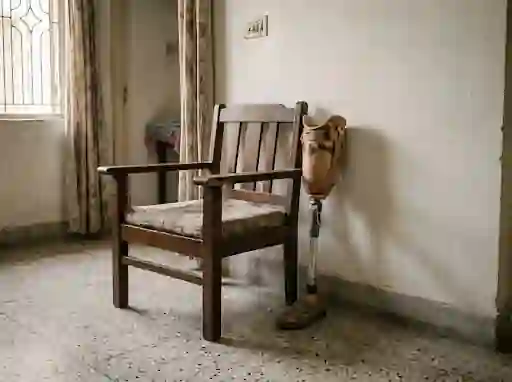
Sit to stand
Standing up from a firm chair without using your hands, five to ten times, builds the strength you use all day.
Older patients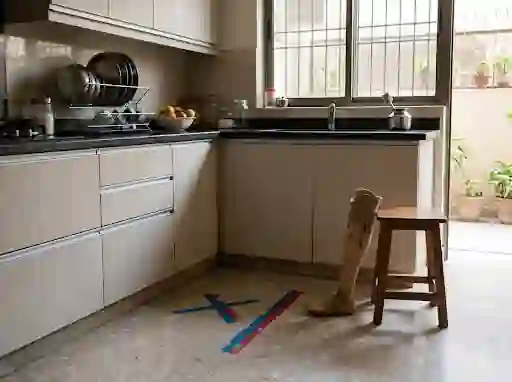
Balance
Standing by a counter and shifting weight from leg to leg, holding on lightly, then not at all.
Daily life
Getting up from the floor
Everyone falls sometimes. Learning to get up safely from the floor takes the fear away.
Both legs
Falls, and how to get up
Most people fall at some point while learning. Practising how to fall and how to get up, with us first, makes a real fall far less frightening.
- Stay still for a moment and check for pain before moving.
- Roll onto your side, then onto your hands and the knee of your sound leg.
- Crawl to a firm chair or sofa, put your hands on the seat, bring your sound foot forward and push up.
- Turn and sit down. Rest before standing again.
If you hit your head, feel faint, or have new pain in the hip or the stump, do not try to walk. Call for help.

Habits that speed things up
- Practise every dayShort daily sessions beat one long session a week.
- Check your skinEvery evening, with a mirror. A sore stops training for weeks.
- Wear proper shoesClosed shoes with a low heel, the same height the leg was set for.
- Have someone nearA family member nearby in the first weeks prevents falls and builds confidence.

Training questions
How long until I can walk without help?
Many below-knee users walk with a stick within a few weeks and without one later. Above-knee users usually need longer, often months, and many keep a stick outdoors. Daily practice makes more difference than any part of the leg.
How many hours a day should I wear the leg at first?
Start with about an hour, two or three times a day, checking the skin each time. Add time every day as long as the skin stays healthy. Most people wear it all day within a few weeks.
Why do I lean to one side when I walk?
Usually weak hip muscles on the amputated side, a leg that is slightly the wrong length, or fear of putting weight through the leg. Hip exercises and a check of the length and alignment usually fix it.
Is it safe to walk on stairs with a prosthetic leg?
Yes, once you are trained. Use the rail, go up with the sound leg first and come down with the prosthetic leg first. Practise with someone beside you before you do stairs alone.
Read next
Not sure this is the right leg for you?
Send a photo of the stump and a line about your health on WhatsApp. We will tell you honestly what fits, and what it is likely to cost, before you travel or pay anything.